Hi, my name is Amelie, and I'm 18 years old. I will be going to university in a few months in Nursing. Therefore, I decided to create a glossary related to this program to help others who may be struggling like me with the specific everyday vocabulary in Nursing. Here is a list of some of the popular words inspired by Fieldrelated.com and Oxford Dictionary.
antibody
noun
A substance that the body produces in the blood to fight disease, or as a reaction when certain substances are put into the body.
Example: The question is whether the antibody levels induced by the first dose are indeed enough, or if there are other types of immunity spurred by the vaccine that lead to protection.
fr: anticorps
bandage
noun
A long narrow piece of cloth used for tying around a part of the body that has been hurt in order to protect or support it.
Example: She'd tried to change the bandage on her own.
fr: pansement
blood pressure monitor
noun
A device used to measure blood pressure, composed of an inflatable cuff to restrict blood flow, and a mercury or mechanical manometer to measure the pressure. This device is also called a sphygmomanometer.
Example: At each examination, the local investigators measured blood pressure once, using a blood pressure monitor and with the patient sitting.
fr: tensiomètre
check-up
noun
An examination of somebody/something, especially a medical one to make sure that you are healthy.
Example: At the final paediatric check-up, two more children were found to have developed hydrocephalus.
fr: bilan de santé
clinical
adjective
Relating to the examination and treatment of patients and their illnesses.
Example: Both experimental and clinical evidence show that the treatment is effective.
fr: clinique
diagnosis
noun
The act of discovering or identifying the exact cause of an illness or a problem.
Example: An accurate diagnosis was made after a series of tests.
fr: diagnostic
drug
noun
A substance used as a medicine or used in a medicine.
Example: He's taking drugs for depression.
fr: médicament
emergency room
noun
The part of a hospital where people who need immediate treatment are taken.
Example: We caught up to the ambulance at the emergency room entrance just as attendants were removing a stretcher.
fr: urgences
hospital
noun
A large building where people who are ill or injured are given medical treatment and care.
Example: I'm going to the hospital to visit my brother.
fr: hôpital
infection
noun
The act or process of causing or getting a disease
Example: Poor hygiene can increase the danger of infection.
fr: infection
nurse
noun
A person whose job is to take care of sick or injured people, usually in a hospital.
Example: Cautiously withdrawing her breast, Natasha rocked him a little, handed him to the nurse, and went with rapid steps toward the door.
fr: infirmière
prescription
noun
An official piece of paper on which a doctor writes the type of medicine you should have, and which enables you to get it from a chemist's.
Example: They are not available without a prescription.
fr: ordonnance
stethoscope
noun
An instrument that a doctor uses to listen to somebody’s heart and breathing.
Example: The physician will listen to the child's chest with a stethoscope for specific sounds that indicate lung inflammation, such as moist rales and crackling, and wheezing, that indicate airway narrowing.
fr: stéthoscope
surgery
noun
Medical treatment of injuries or diseases that involves cutting open a person’s body and often removing or replacing some parts; the branch of medicine connected with this treatment.
Example: He has recently undergone surgery on his shoulder.
fr: opération
syringe
noun
A plastic or glass tube with a long hollow needle that is used for putting drugs, etc. into a person’s body or for taking a small amount of blood from a person.
Example: She drew a dose of morphia into a syringe.
fr: seringue
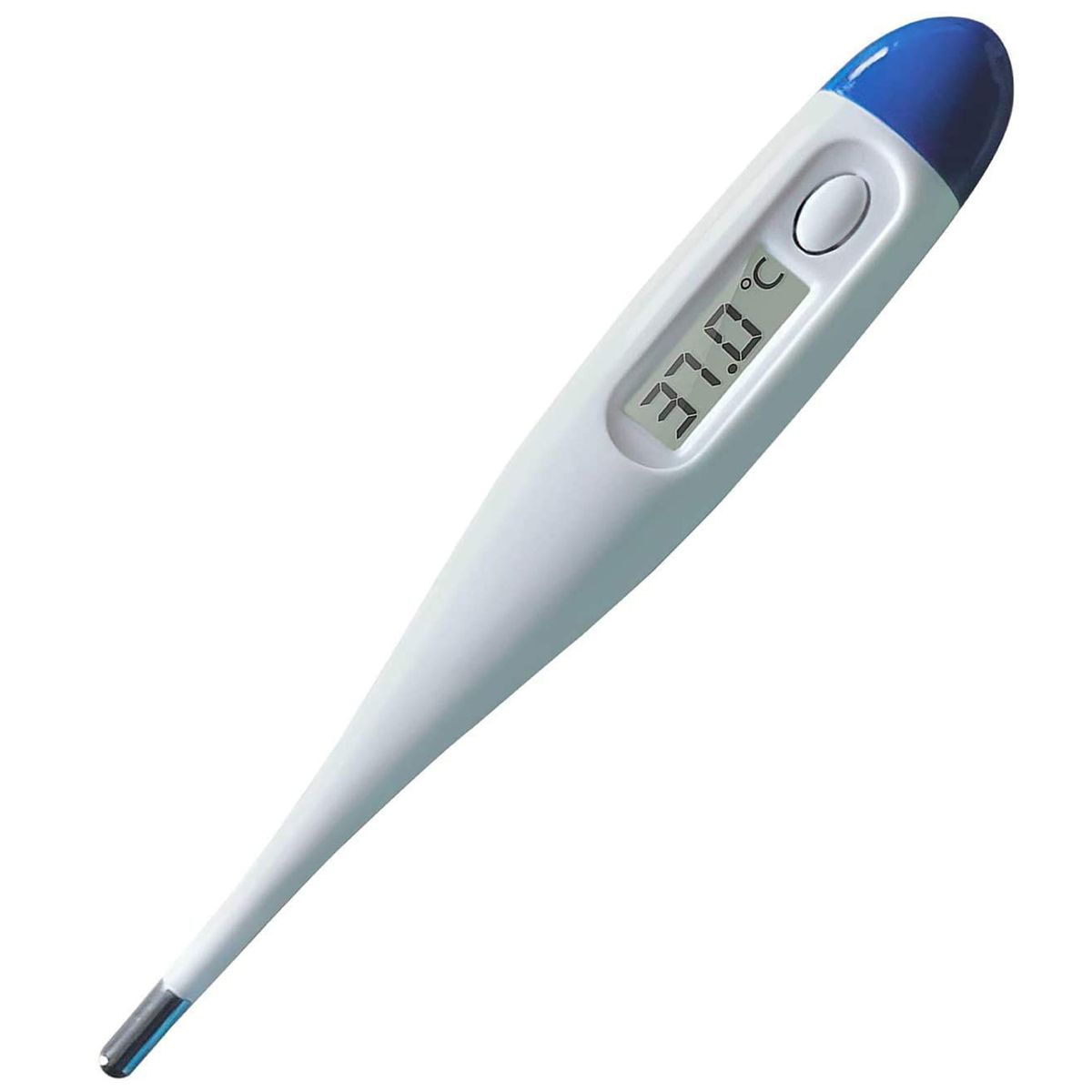
thermometer
noun
An instrument used for measuring the temperature of the air, a person’s body, etc.
Example: The doctor used the thermometer to see if the boy’s body temperature was too high.
fr: thermomètre
vaccination
noun
The act of giving a person or an animal a vaccine in order to protect them against a disease.
Example: Make sure your vaccinations are up to date.
fr: vaccination
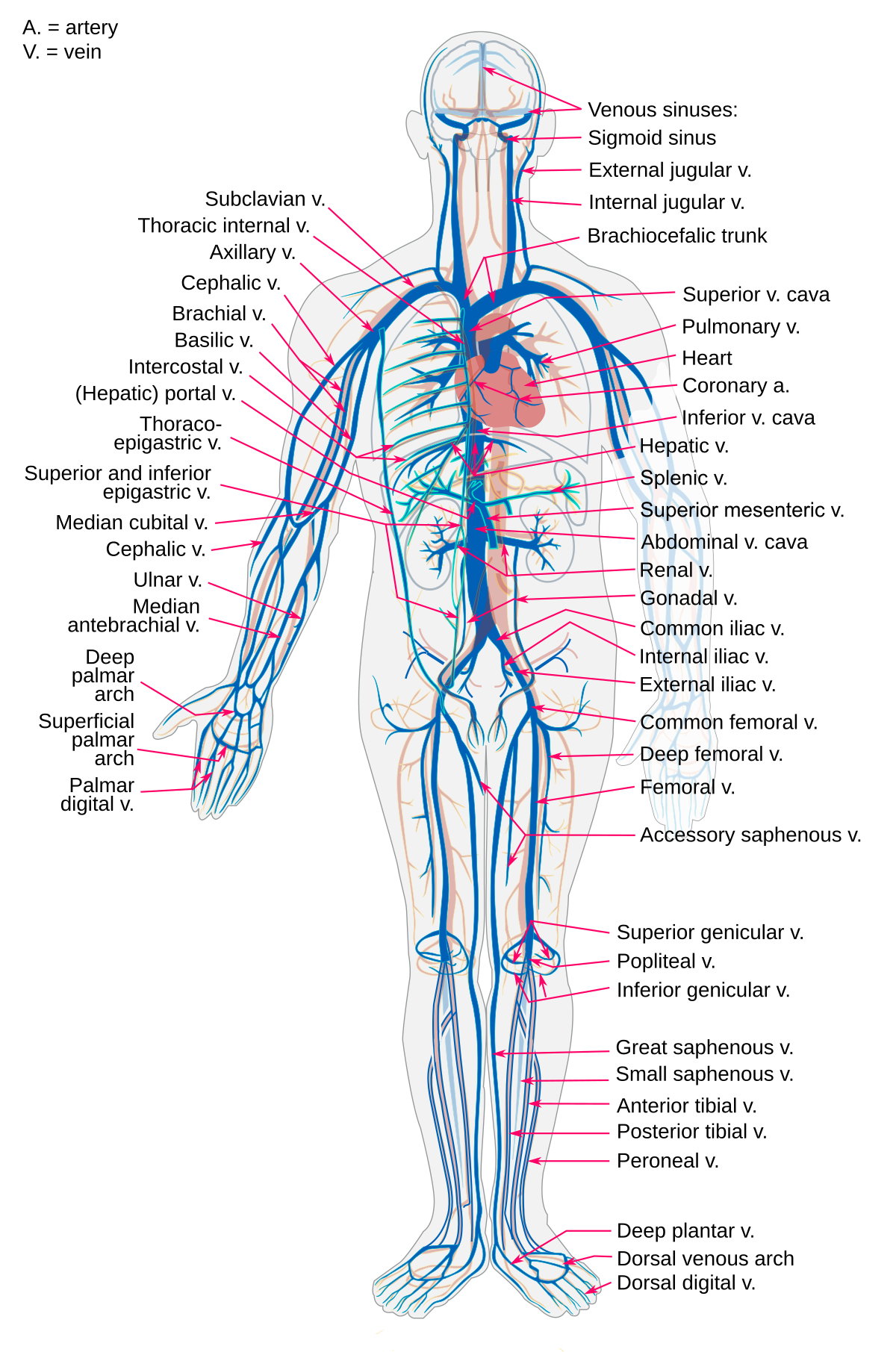
vein
noun
Any of the tubes that carry blood from all parts of the body towards the heart.
Example: The nurse was having trouble finding a vein in his arm.
fr: veine
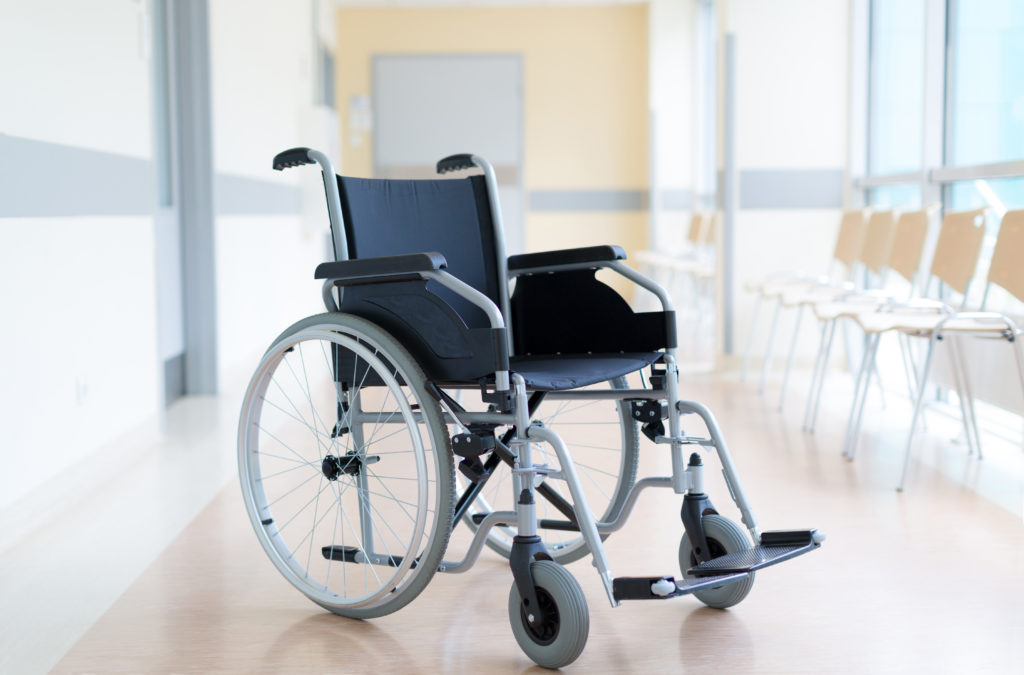
wheelchair
noun
A special chair with wheels, used by people who cannot walk because of illness, an accident, etc.
Example: He's been confined to a wheelchair since the accident.
fr: fauteuil roulant
wound
noun
An injury to living tissue caused by a cut, blow, or other impact, typically one in which the skin is cut or broken.
Example: He died from the wounds he had received to his chest.